Stronger Controls for Continuous Care
21/09/2026
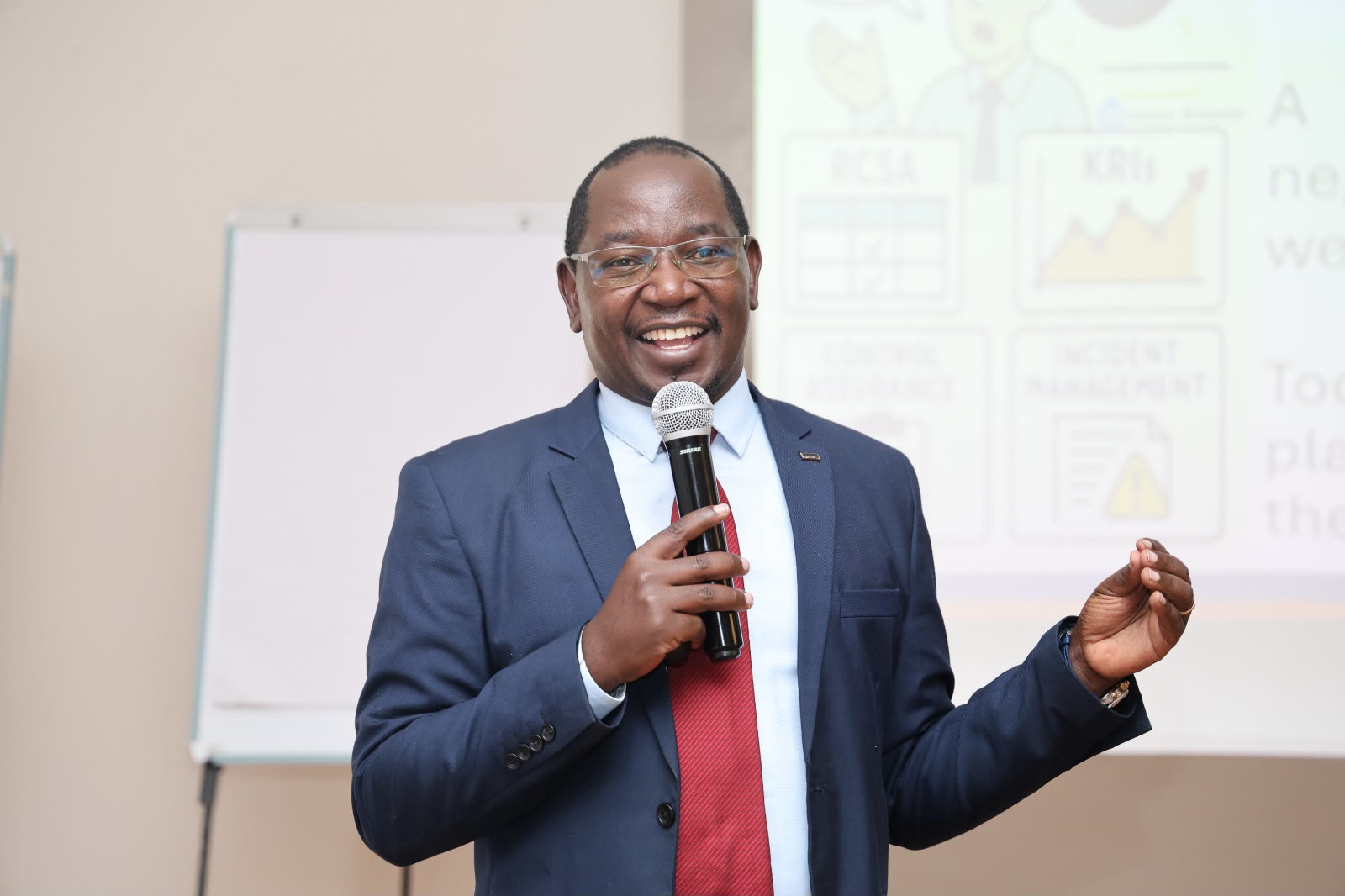
For a patient waiting for essential medicine, a supply chain disruption is more than an operational problem. It can mean delayed treatment, a health worker unable to provide timely care or a facility struggling to meet patient needs.
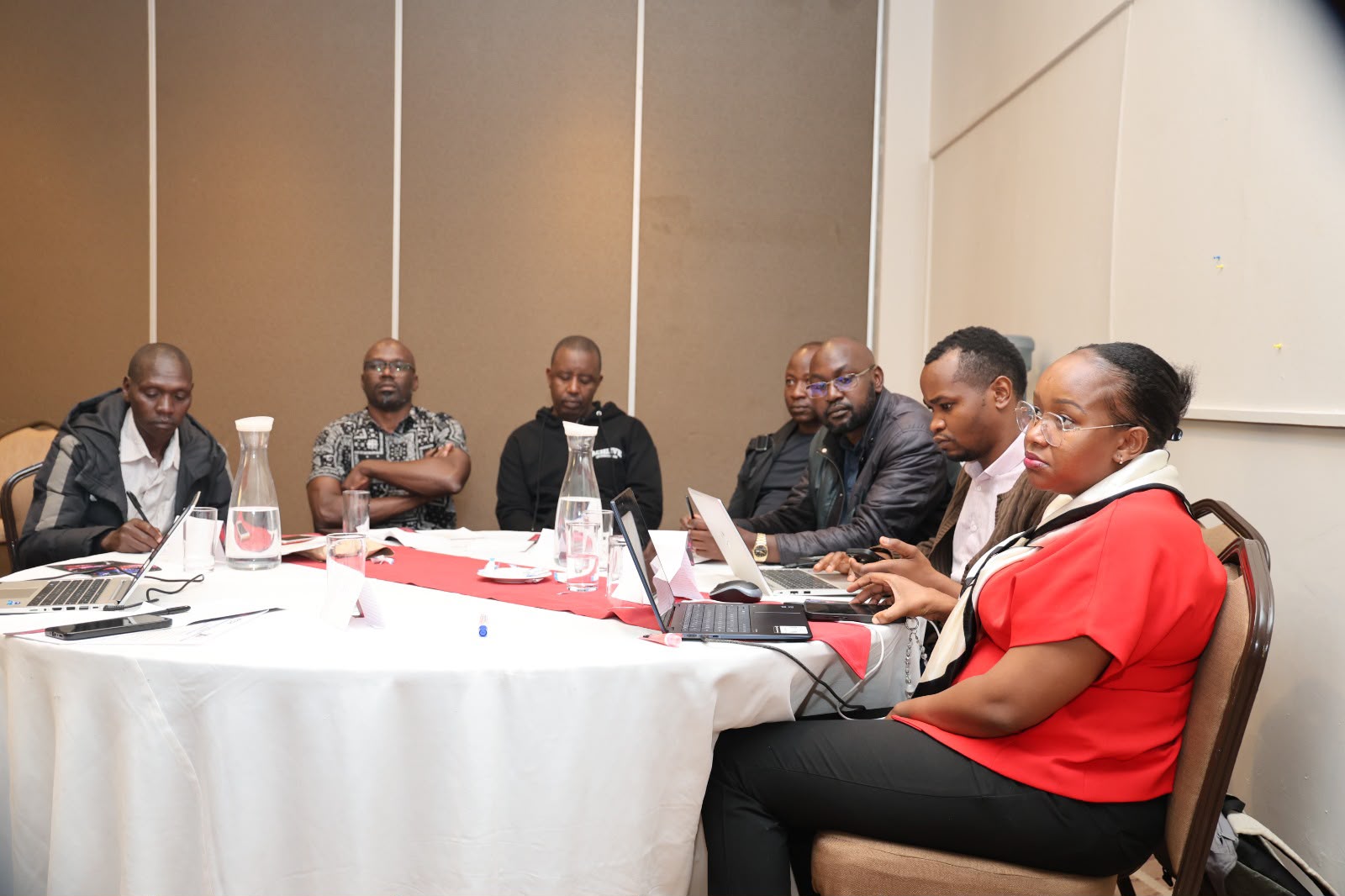
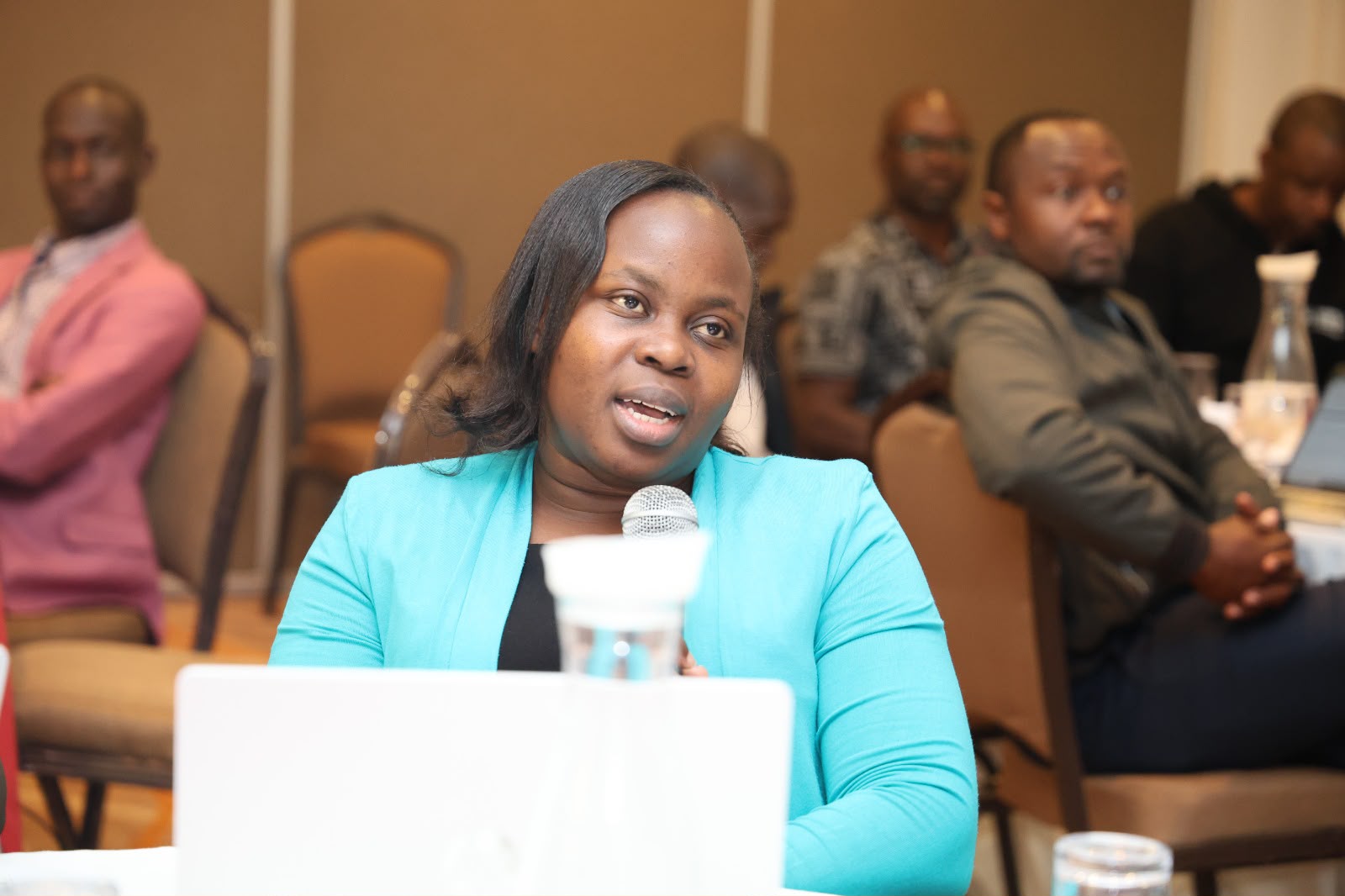
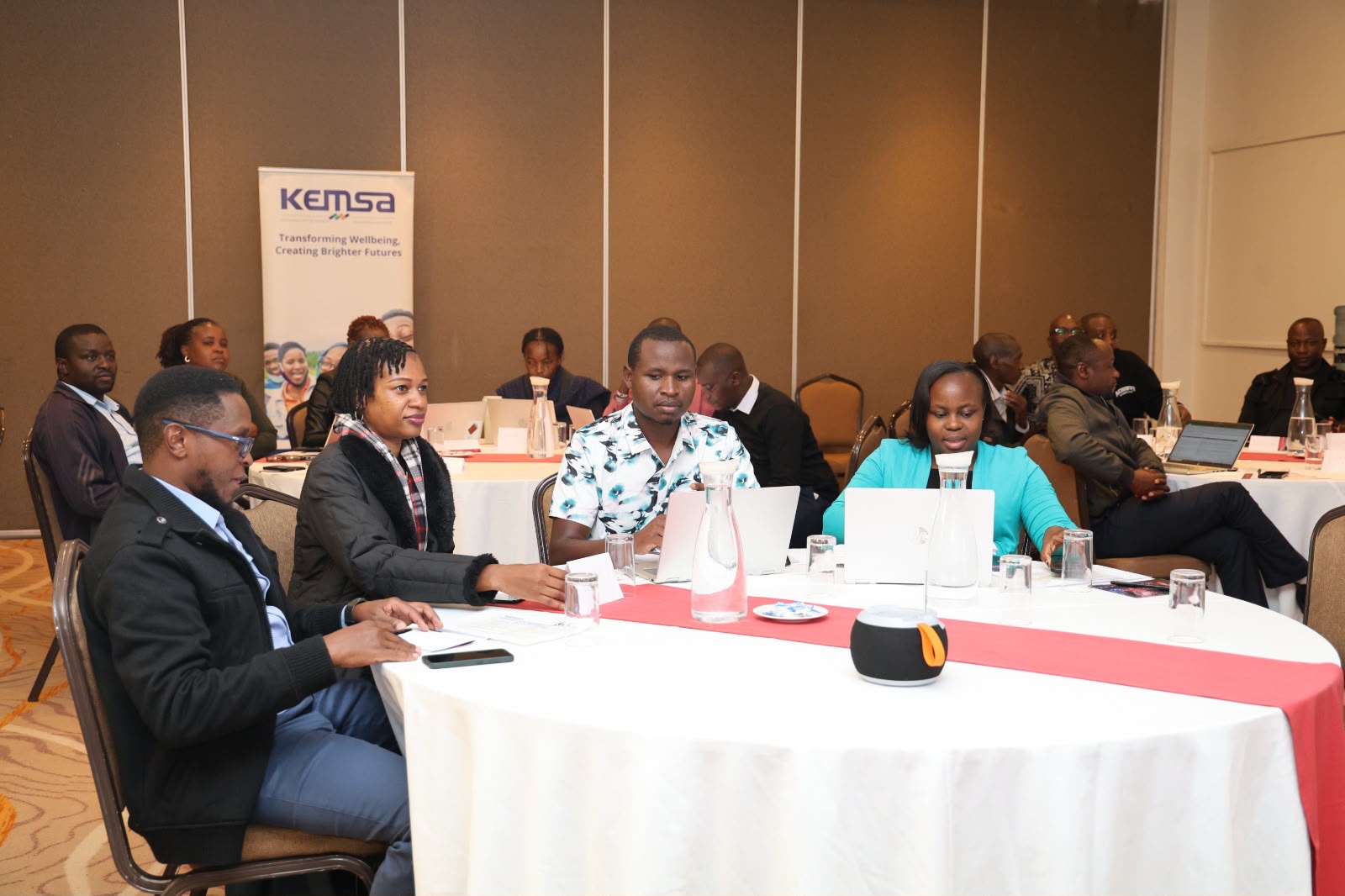
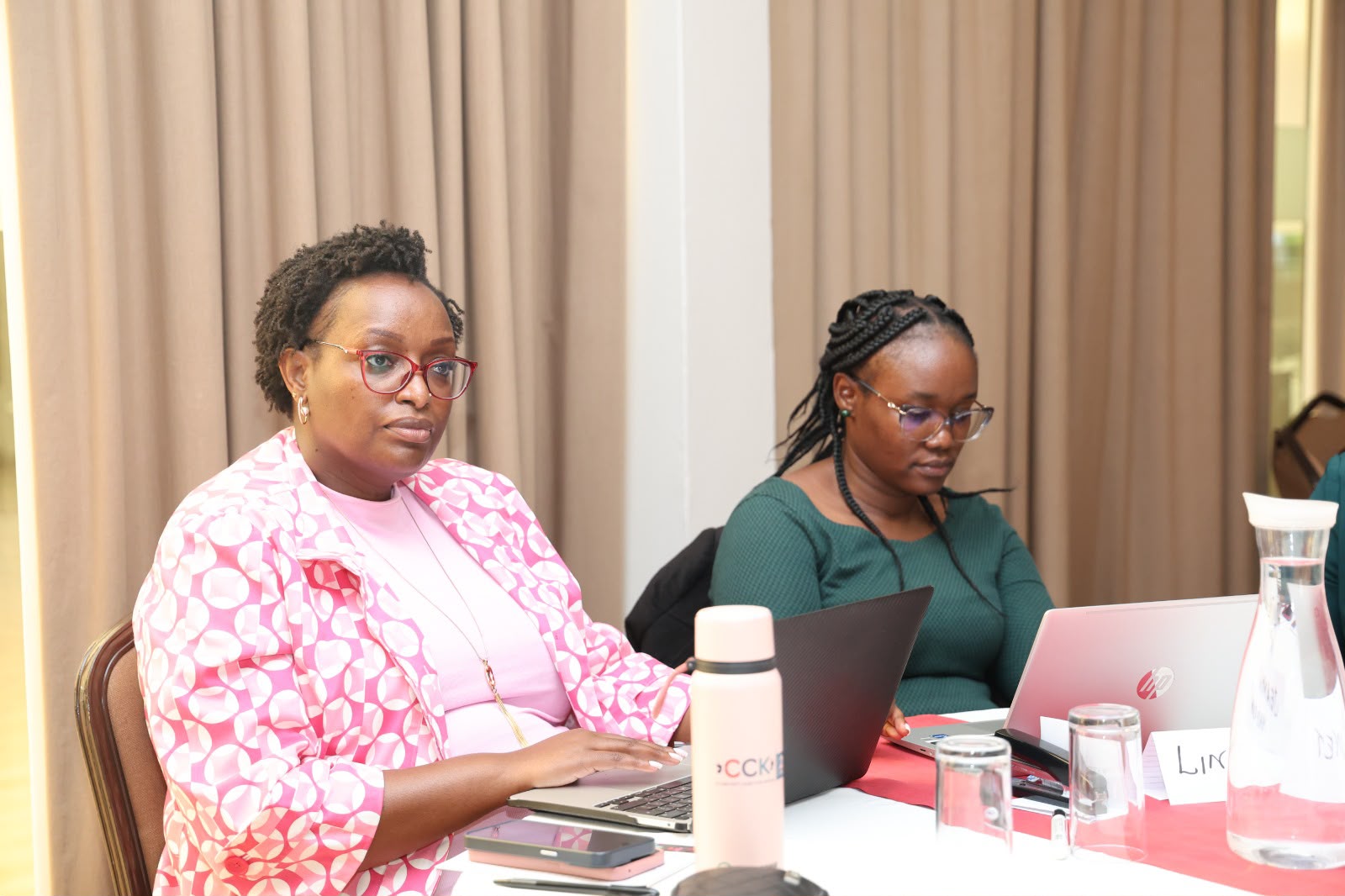
That is why KEMSA is strengthening its Enterprise Risk Management (ERM) capacity through a five-day training, equipping teams to spot risks early, assess their impact, strengthen controls and act before disruptions reach the point of care.
When teams identify risks early, they gain time to address potential supply interruptions before they affect health facilities. When they assess their impact, they can prioritise risks that could disrupt essential services and interrupt continuity of care.
When they strengthen controls, they protect the processes that keep health products moving through procurement, warehousing, distribution and delivery. Stronger controls help reduce avoidable disruptions so health workers can access the products they need and patients can receive care without unnecessary delays.
When teams take ownership and act quickly, they close gaps before risks escalate, helping sustain supply continuity and keep treatment pathways moving.
The training responds to gaps identified through the ERM Capability and Maturity Assessment and supports the review and updating of risk registers in line with the KEMSA Strategic Plan 2025–2030.
The programme opened with a session on the Genesis of Enterprise Risk Management and Risk Identification, led by Kenya Factors Consultant CPA Geoffrey Onsongo. Participants are learning to connect everyday risk decisions with operational reliability and, ultimately, continuity of care.
Because every control strengthened upstream helps protect continuity of care downstream.
Spot the risk. Strengthen the control. Protect the supply. Keep care moving.
#EnterpriseRiskManagement #RiskManagement #KEMSA #ContinuityOfCare #OrganisationalResilience